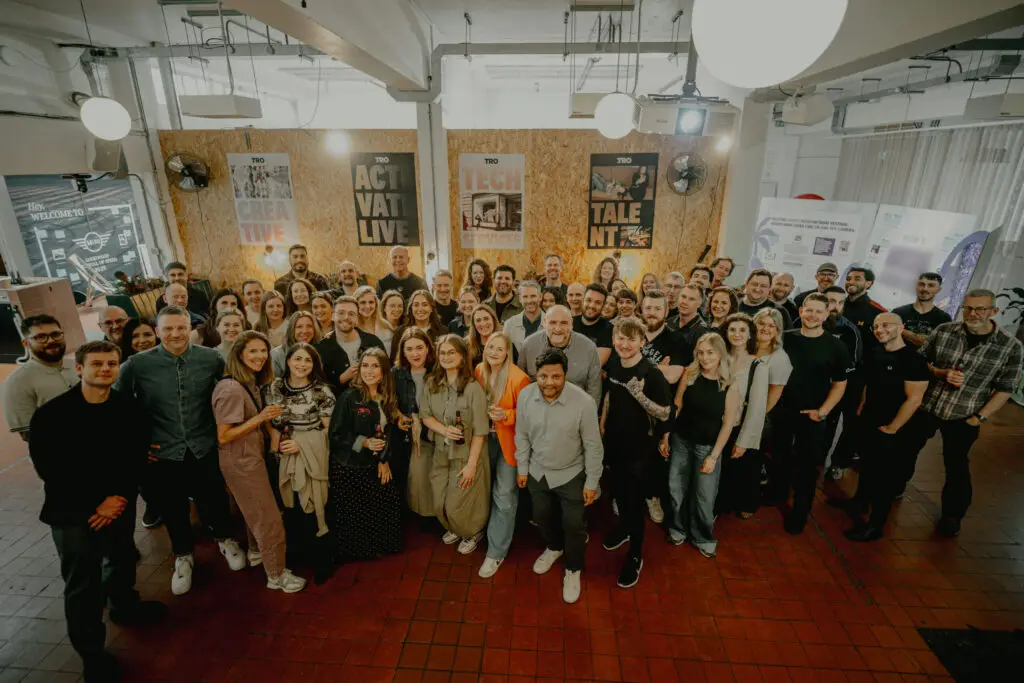
Behind the Scenes of Impact OS: Live: Reimagining Internal Engagement Through Experience Impact
- Katherine Morrison
- Senior Project Coordinator
When Impact OS: Live was first mentioned at the end of April, none of us expected just how quickly it would evolve into a fast-paced, creatively led internal event that challenged how we think about engagement, logistics, and experience design for our own people. I’m Kat, Senior Project Coordinator in the Manchester office, and I had the opportunity to project manage the event alongside Jasmine Gooch, our Production Coordinator.
From insight to idea
The initial brief from Andy, Managing Director, and B, Head of Client Services, was clear but ambitious: create an event that would re-energise internal teams around Experience Impact, a shift in how we approach projects across the business. Importantly, this wasn’t about launching a brand-new framework. Instead, it was about evolving an existing way of working and making it more accessible, meaningful, and actionable for every role, from project coordinators through to department leads.
Feedback from internal focus groups shaped the brief significantly. People wanted clarity, relevance to their role, and, crucially, something that felt different from the traditional “sit and listen” format. From a planning perspective, this meant we had to rethink not just the content, but the entire delivery experience.
We positioned Impact OS: Live as exactly that, an “update.” Like updating your phone: nothing is removed, but everything becomes more efficient, intuitive, and user-friendly. That analogy became a useful anchor throughout the planning process.
Finding the right space
Venue sourcing was one of the most critical (and challenging) early decisions. We knew a standard corporate environment would undermine the objective before we even began. The space needed to physically and emotionally remove attendees from their day-to-day, helping them step into a new mindset.
We explored a wide range of options, from nightclubs to skate parks, balancing creativity with budget constraints. Eventually, we secured The Art House by Acrylisize, an immersive gallery space that immediately aligned with our vision. It offered more than just a venue; it gave us a narrative.
The team at Acrylisize understood what we were trying to achieve and gave us the creative freedom to completely transform the space. An added benefit was that the venue cost contributed to community-based art commissions, reinforcing the broader theme of “impact” and allowing the event to extend beyond just the day itself. From a logistics perspective, the space required careful mapping, zoning areas for content, flow, and interaction without disrupting the natural gallery environment. This involved close coordination with production, clear floor planning, and detailed run-of-show alignment to ensure a seamless delegate journey.
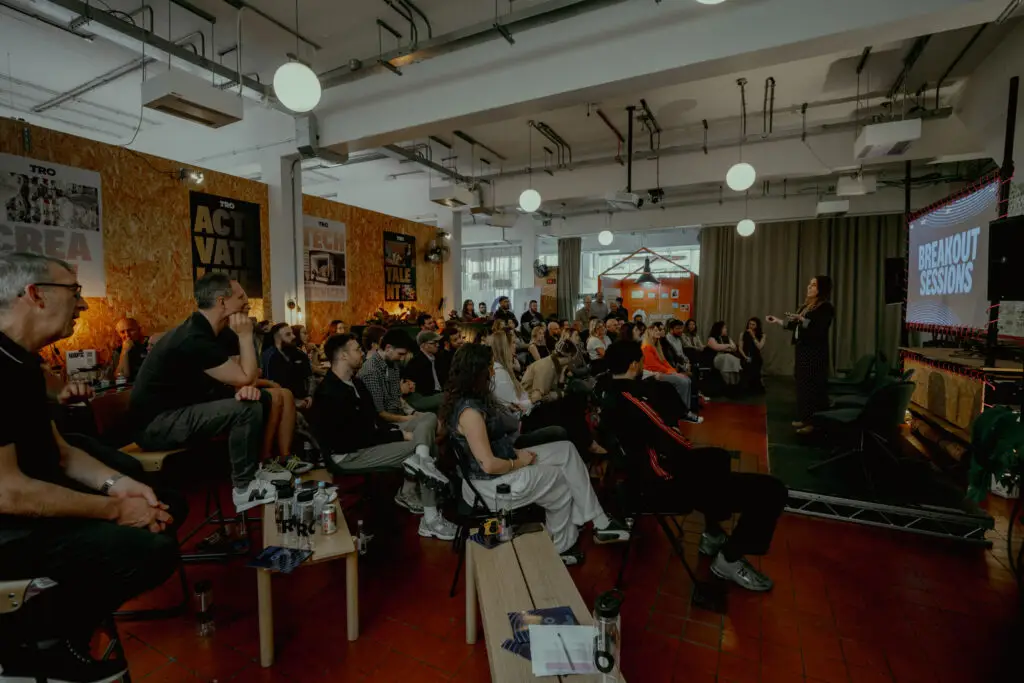
Designing an experience, not a presentation
With the venue secured, the next challenge was translating content into something engaging and interactive. Instead of building a traditional agenda with speakers and presentations, we leaned into the gallery concept.
We curated a series of mini pop-ups showcasing internal projects that exemplified Experience Impact, alongside best-in-class external case studies. Each installation was hosted by project representatives, allowing attendees to move freely around the space, engage in conversations, and explore at their own pace.
This approach required significant coordination behind the scenes:
- Briefing project teams to distil their work into clear, engaging narratives
- Designing physical setups that were visually impactful yet practical within the space
- Scheduling staff rotations to ensure each activation was consistently supported
- Managing footfall and flow to avoid bottlenecks and maintain energy throughout
The result was a more inclusive and accessible format. Attendees could ask questions relevant to their role without the pressure of speaking in front of a large group, which directly addressed feedback from the focus groups.
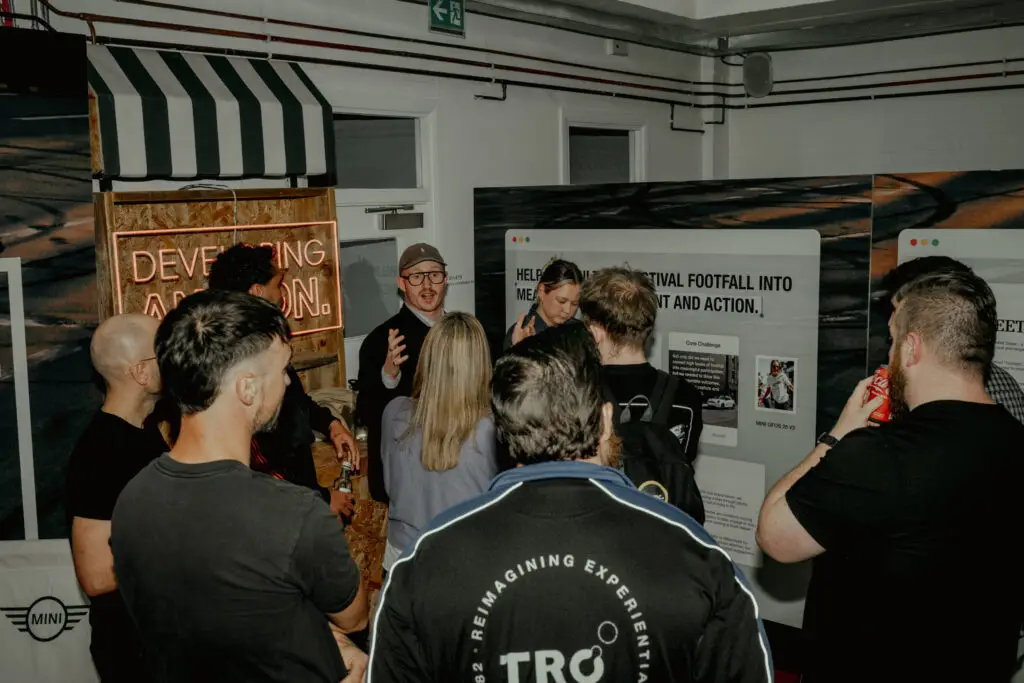
Capturing the journey: The Commitment Room
A key element of the experience was measuring how perceptions shifted throughout the day. We introduced “The Commitment Room” as a dedicated space for content capture, designed to feel informal and engaging rather than staged or corporate.
Participants were invited to share their understanding of Experience Impact at the start of the event, and then revisit those thoughts at the end, what we referred to as the “first drink vs last drink” mindset. This created a natural narrative arc and allowed us to capture authentic reflections. From an operational standpoint, this involved coordinating filming schedules, managing consent, and ensuring the space remained inviting and easy to access without disrupting the wider event flow.
Bringing it all together
Like any event, much of the success relied on the unseen details, tight timelines, constant communication, and quick decision-making. With a relatively short lead time, collaboration between project management, production, venue partners, and internal stakeholders was key.
Running the event on the day required:
- Clear team roles and responsibilities
- A detailed but flexible run sheet
- Real-time problem solving as the space filled and evolved
- Continuous monitoring of attendee engagement and movement
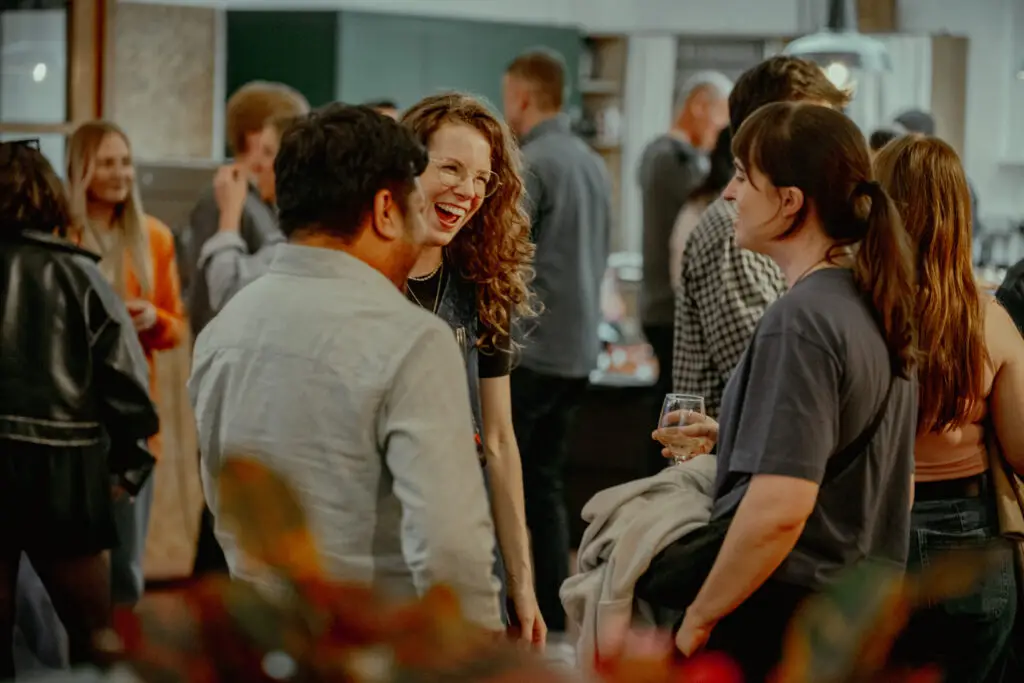
The outcome
The impact was immediate. Feedback showed that people felt more engaged, more confident in understanding Experience Impact, and better equipped to apply it in their day-to-day roles. The interactive format not only increased participation but also created meaningful conversations across teams.
For us as the delivery team, it reinforced the importance of designing internal events with the same level of creativity, care, and strategic thinking as external brand experiences. When you treat your own people as your audience, the results truly reflect it.
Impact OS: Live wasn’t just an event, it was a demonstration of Experience Impact in action.