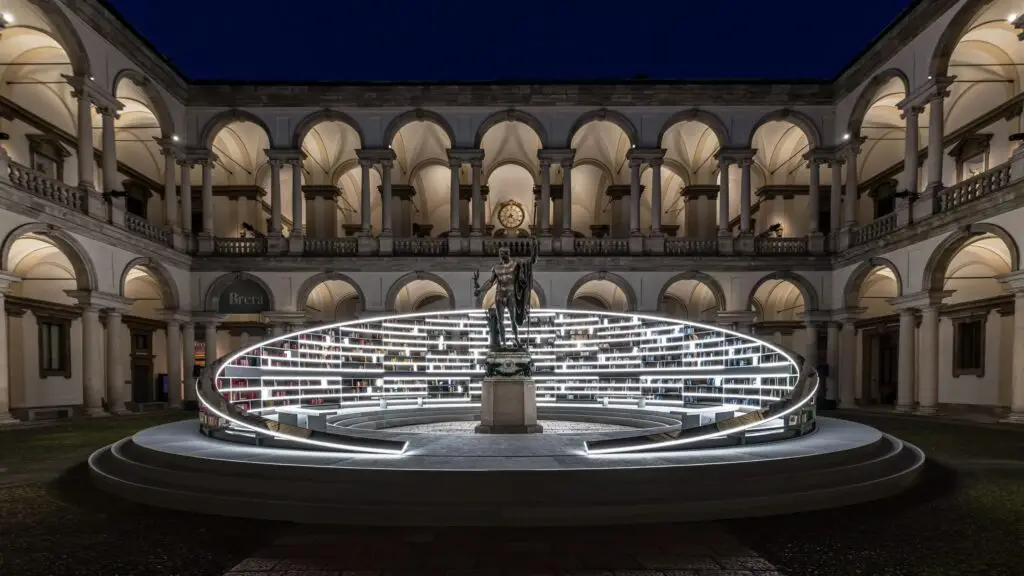
Experiential Trends shaping 2026
- Oscar Mitchell
If the last 5 years of experiential was defined by LED walls, tech gimmicks, and brand “moments”, 2026 is the moment where experience design gets serious. Culture is shifting beneath our feet – getting stranger, richer, more maximal, and more contradictory with brand worlds following suit. You can feel it in music, in tech, in automotive, in the way people dress, gather, and signal who they are.
We don’t want simplicity. We want depth.
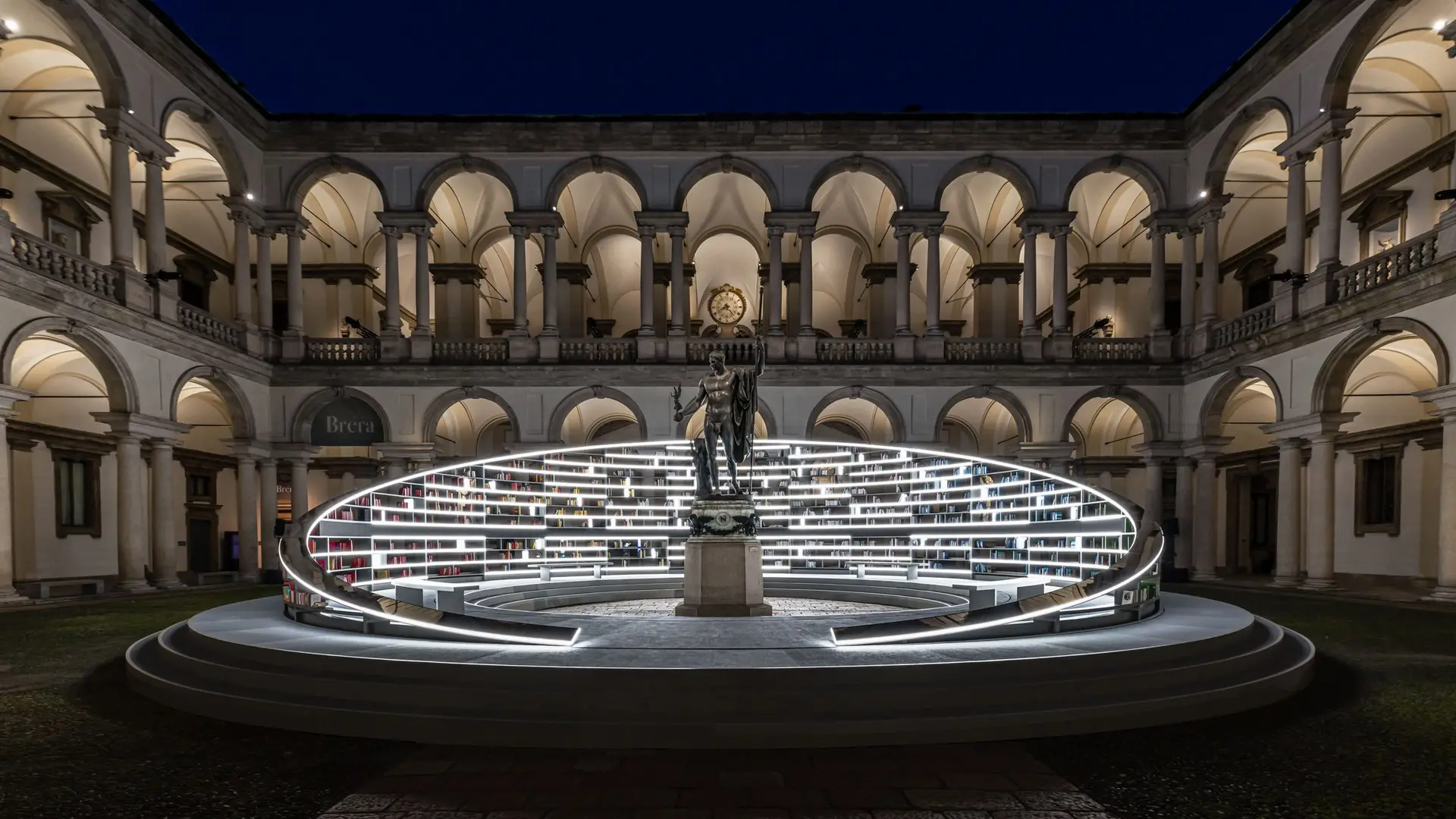
Rosalia’s recent magnus opus LUX is the turning point. A masterclass in complexity, hybridity, and emotional voltage. A true ‘vibe shift’ that marks a difference in how brands, musicians, artists, and fashion show up in the world.
High + Low culture collisions
The hierarchy between “high” and “low” culture is dissolving at speed. Rosalia’s Lux makes this obvious: mixing baroque religious symbolism with reggaeton structures; couture silhouettes with folk gestures; devotional imagery with street-born rhythm. What once lived in separate categories now occupies the same emotional register.
This collapse is everywhere. Tech launches that once aimed for glossy futurism now borrow the visual grammar of performance art – notice how AI start-ups dress their messaging in monastic minimalism, rather than sci-fi cliches. Automotive brands present their design labs with the reverence of haute ateliers, whilst simultaneously romanticising the grit of clay modellers sculpting cars by hand. Even FMCG brands are leaning into this duality: premium cocktails served from street-food carts; fast-food rituals elevated to tasting-menu theatre.
In 2026, expect experiential to sit in this tension. The best brand worlds will feel like a warehouse rave in an opera house. Heritage and DIY will live in the same farm. ‘On-brand’ is old world. Unexpected is the new norm.
Brands Turning themselves inside-out
For most of history, brand narratives were about the final polished image – the ad, the launch, the reveal. But we’re now witnessing a shift: What was once hidden behind the curtain – the process, the infrastructure, “the machine” – is now becoming the narrative itself.
Brands aren’t simply selling a product. They’re selling the system that produces it – the people, the craft, the culture, the friction, the humanity. Moving from self-awareness to system awareness, where operational reality becomes part of the aesthetic.
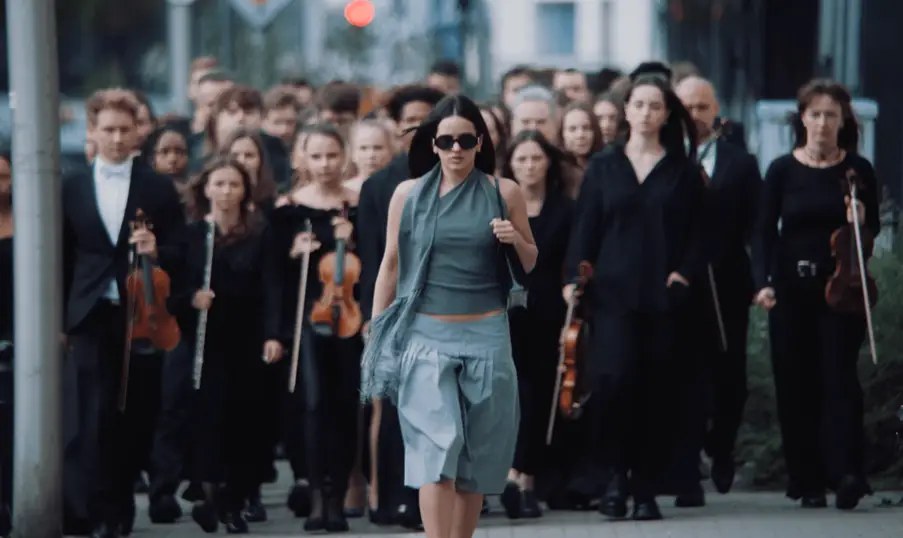
Experiences are increasingly drawing attention to the making: design studios becoming exhibition spaces; clay modelling rooms at auto shows; hardware labs revealed in all their wires and welds; coffee roasters and craft workshops during live retail activations. The backstage is the spotlight.
This isn’t just transparency as PR – it’s being playful with the inner workings of their system and understanding that audiences love to see ‘how the sausage is made’. Expect brand activations that feel less polished and more like honest studio visits or artist residencies. The audience is part of the creative system. The brand becomes a living world.
The Slop Backlash
AI didn’t just make it easy to create – it made it too easy, flattening visual culture into a homogenous soup of glossy gradients and symmetrical predictability. Humanity in branding is bleeding out.
The reaction: a cultural revolt. A desire for the crooked, the hand-made, the visibly human. Designers are ditching AI smoothness for pencil-drawn UI icons, jittery lines, collage, and analogue features. Embracing friction, blur, noise, and imperfections.
Experiential should follow fast: expect screen print booths, hand-painted scenic backdrops, repair workshops, visible welds, and raw materials. It’s not careless. It’s crafted. In a world of uncanny perfection, imperfection becomes a statement.
Eco-Hedonism
Sustainability used to be muted. Understated. But sustainability in 2026 doesn’t whisper – it screams. Circularity, regeneration, biomaterials are becoming the core of aesthetic direction.
Brands are experimenting with mycelium, bioplastics, recycled metal, plant-based leather and modular hardware. Not as a box-ticking exercise – but as the main attraction.
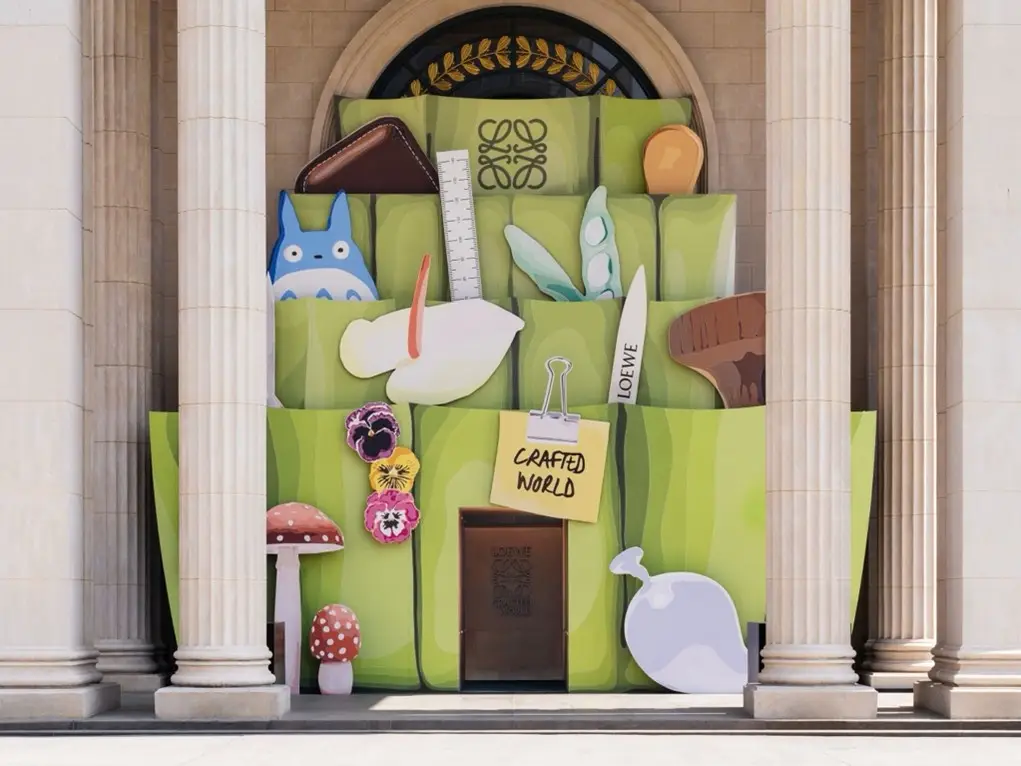
Even luxury houses like Hermès and Loewe have staged spaces scented with moss, damp earth, and resin – not “clean luxury”, but making their worlds literally feel ‘alive’.
Sustainability here isn’t a fine-print disclaimer, or a recycled paper cup. It’s embedded in the story – through feeling, and sensory experiences.

The Continuity Economy
The era of micro-trends may finally be coming to an end. The endless scroll for the next aesthetic pill is burning out. We’re tired of disposable ‘vibes’ and short-lived identities. Culture is recalibrating towards ‘timelessness’, continuity, and long-term cultural worlds that don’t dissolve with a shift in the algo.
People aren’t asking “What’s hot right now?”. They’re asking, “What matters?”.
The ‘continuity economy’ is growing in strategic importance. The brands that succeed in 2026 won’t be the ones that chase aesthetics; it’s the ones that build cultures. Leading with direction, rather than following momentum. Resisting the lure of virality for the deeper reward of longevity.
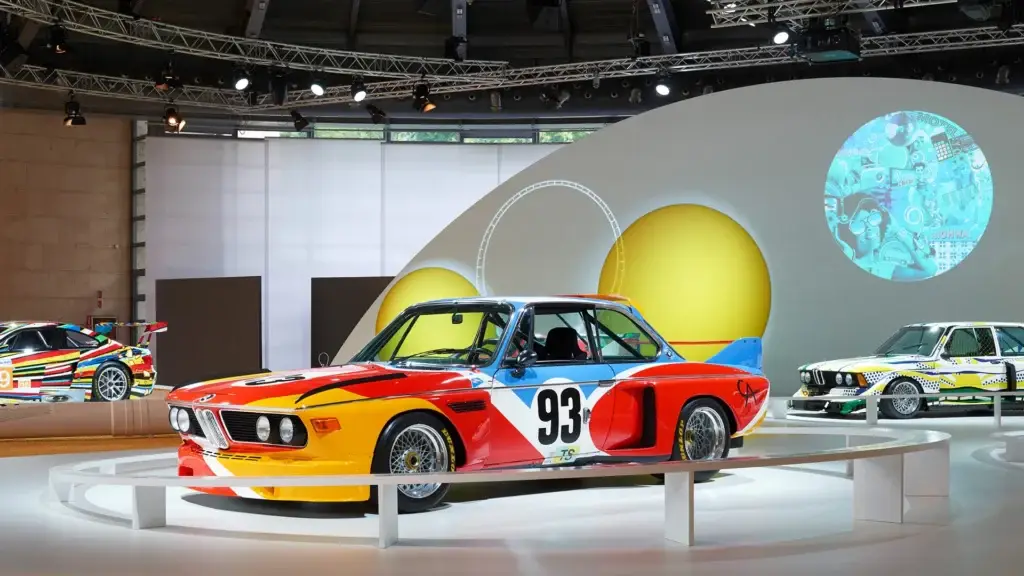
Look at BMW’s art-car programme building generational meaning, or LEGO sustaining adult fan communities without the need for reinvention. These worlds don’t refresh every quarter – they embed deeper into culture.
For experiential, this means shifting away from one-offs and pop-ups and more on ongoing owned experiences. Clubhouses, rituals, and gatherings that compound cultural value over time. A brand space becomes a recurring meeting point, not a passing stunt. A campaign becomes a world that updates, not resets. A community becomes an asset that grows with the brand. Less reach, more resonance.
Conclusion: The intense, imperfect future.
These trends point to a single shift: the brands that win in 2026 will be the ones that embrace complexity, continuity, and cultural fidelity. Short-term tentpoles and pop-up activations are losing their power. Audiences expect worlds that evolve, rituals that matter, and aesthetics that feel authored rather than automated.
Here’s our opportunity: build experiential ecosystems that last longer than a campaign cycle, create spaces where meaning accrues over time, and use transparency, tactility, regeneration, and subculture as strategic pillars rather than surface styling.
Hopefully 2026 will be the year that experiential becomes the model – a way for brands to truly exist in culture with intention, humanity, and staying-power.