Whenever someone asks what a “Creative Technologist” actually does, my answer is pretty straightforward. I try to find ways to make tech feel more human, not less.
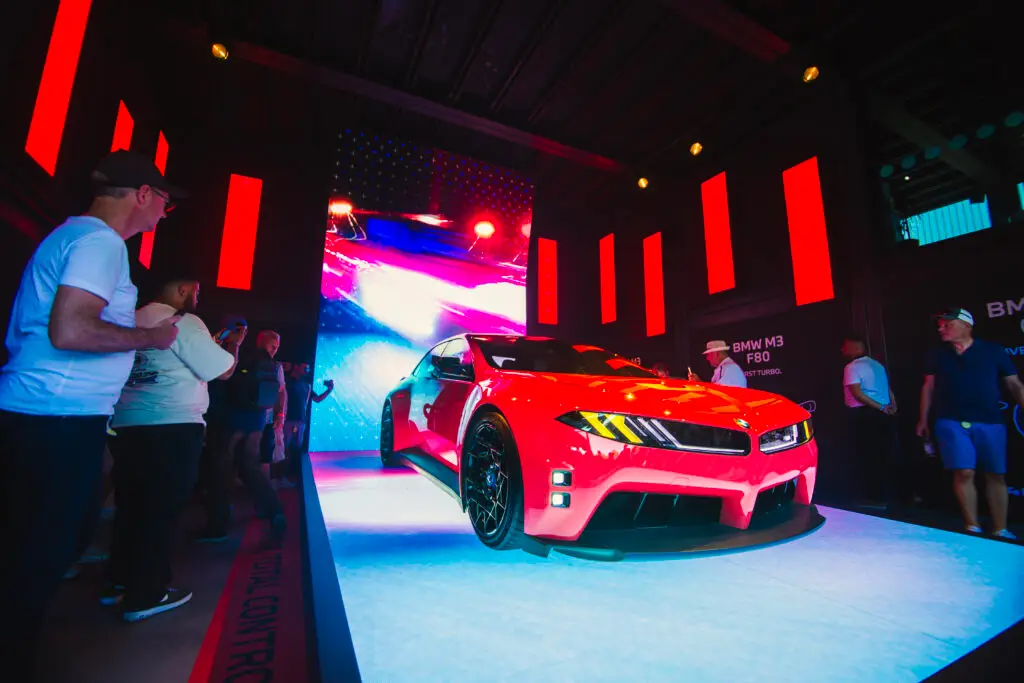
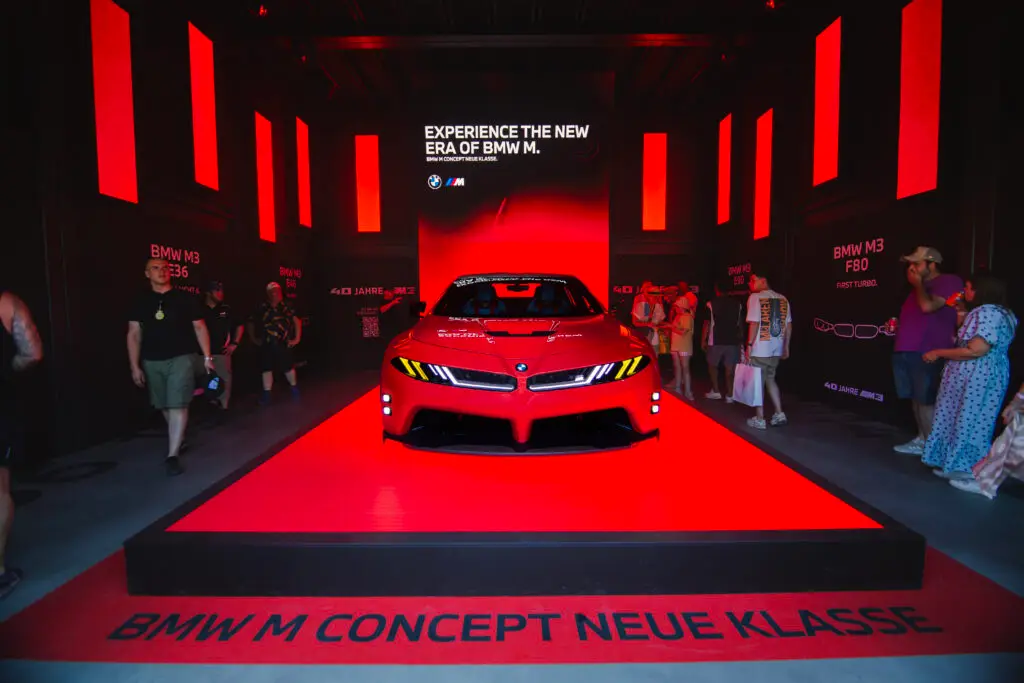
Take our recent BMW activation at the Goodwood Festival of Speed for example. We didn’t want to just build shiny tech for the sake of it, and we definitely didn’t want to create something people would engage with once and forget about by the time they hit the food tents. Instead, we started off by asking an important question: can we actually measure how a live experience makes someone feel?
Speaking candidly, the experiential industry has leaned on the same tired numbers for years, attendance, reach, and dwell time. Of course, getting people through the door matters, but those stats don’t scratch the surface. They can’t tell you why someone stuck around, what actually grabbed their attention, or if the event actually changed how they view a brand.
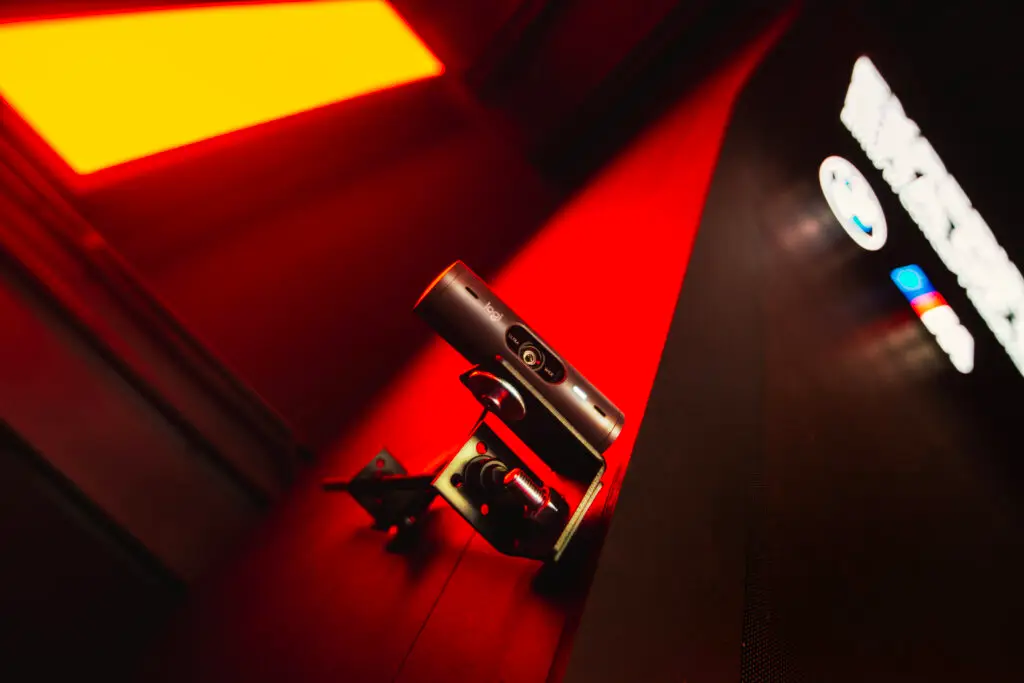
That’s exactly why this project made me so excited. We integrated a camera based emotion analytics system right into the experience, linking it up to a CMS that let us read the room’s emotional sentiment in the exact moment. Obviously, everything was strictly GDPR compliant and privacy-first, but it handed us a level of behavioral insight that standard reporting just can’t uncover.
It wasn’t solely about whether the activation made someone smile. It was understanding the exact journey that got them to that point. How did mild curiosity turn into genuine hype? When did that emotion happen, and what specific creative trigger initiated it? Figuring that out tells us if an experience actually hit home, rather than just proving people were in attendance.
For BMW, that was particularly important. This was not a traditional product launch, but an opportunity to explore how people connect emotionally with the next chapter of performance as the industry moves towards electric vehicles.
There is still uncertainty for some audiences around electric vehicles, so understanding whether an immersive experience can move someone from curiosity to excitement, consideration or even a feeling of “this is for me” is incredibly valuable.
When we receive the activation data in a few weeks time, we’ll then have an opportunity to dig into the data and review the findings. This will allow us to tell exactly which creative elements pulled their weight and what the crowd genuinely resonated with. More importantly, it shows us how to shape the next campaign. We’re essentially turning gut reactions into hard business intelligence. On the flip side, it gives brands actual, actionable insights to learn from, rather than just handing them a spreadsheet of headcounts and considering this a good event and a job well done.
It also gives us the chance to show the full thought process behind the experience, from the initial brand challenge and the technology we built, through to the rush of excitement people felt on the day and what that tells us about potential customers.
From my perspective, this is exactly where creative tech needs to go. It isn’t about putting more screens onto a wall or building gimmicky gadgets. It’s about using tech with actual purpose, to understand human beings better and help brands build things that leave a real mark.
Looking ahead, this is exactly the kind of tech we at TRO want to keep pushing. This shows that tech has the potential to do so much more than just count heads or power a flashy screen. It can actually decode the human experience.
We want to take what we learned at Goodwood and scale it for future clients and activations. The goal isn’t just to gather data for the sake of having it, it’s about finding that sweet spot where creative technology translates directly into massive business impact.
By experimenting with new ways to measure emotion and engagement, we’re giving brands the actual proof they need to know their campaigns are working. TRO is going to keep digging deeper, testing new tech, and figuring out how to make every single live experience hit harder than the last one.