Ask either of us what “sustainability” in live events means, and a predictable list usually follows: ditching plastic cups, calculating carbon footprints, or swapping in recyclable carpet.
Of course, the physical side matters immensely, and across our projects at TRO, we track those details carefully. Our strategy spans three core areas – Thrive, Revive, and Deliver – and we rely on a tool called TRACE to give us actual data on waste, transport, and materials rather than relying on educated guesses.
In our experience, real environmental progress rarely looks like a flashy new gimmick. It usually comes down to practical planning right at the client briefing stage:
Our shared goal isn’t to hold extra meetings asking “Can we make this project greener?”. We want those decisions so embedded in our standard ways of working that they happen automatically across every team.
The Human Side of the Equation
Yet, there is a vital dimension to sustainability that rarely makes the headlines: people.
For us, social sustainability, the “Thrive” arm of our model, is every bit as critical as managing carbon footprints. Live events run on fresh ideas, but breaking into this industry historically hasn’t been easy for everyone. If an agency spends all its time sourcing eco-friendly staging but ignores how it recruits talent or supports local communities, it’s missing a huge piece of the puzzle.
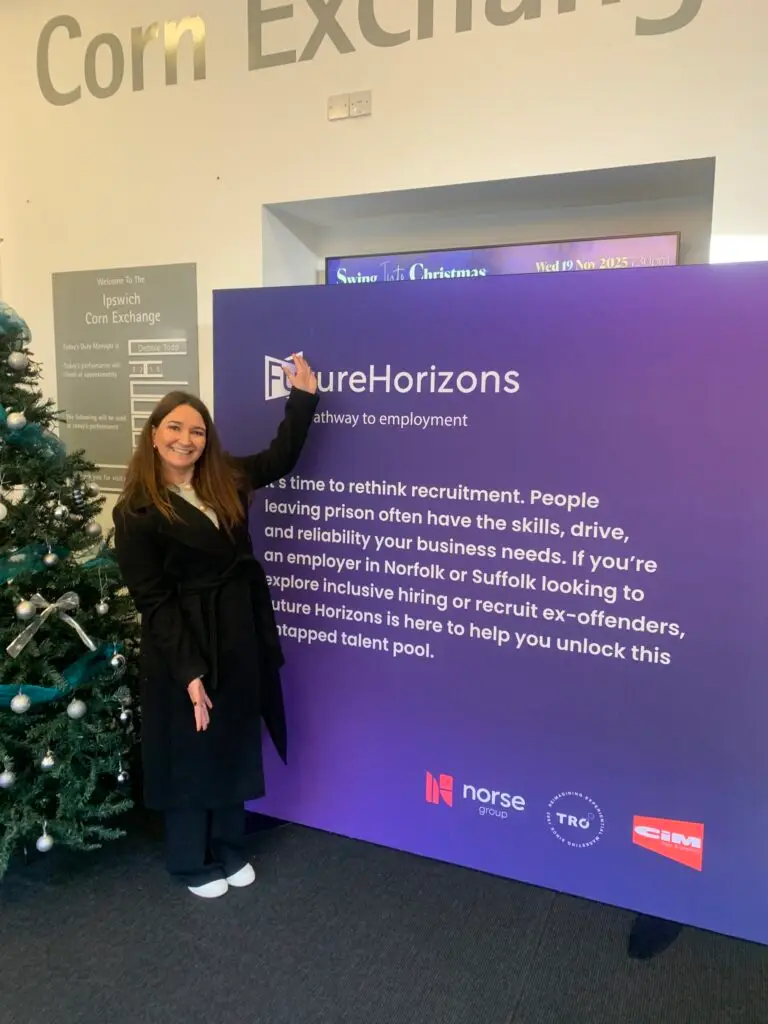
That’s why our For All By All commitments sit right at the centre of our everyday operations, including being certified as a Level 1 Disability Confident employer:
Bringing It All Together
When we pull all these threads together, true sustainability sits across three connected layers: environmental care, social impact, and economic support for local suppliers and communities.
Reducing emissions on-site is essential, but investing in local suppliers, opening doors for new talent, and leaving behind a meaningful, lasting impact on the people behind the work is what we believe actually makes a business sustainable for the future.