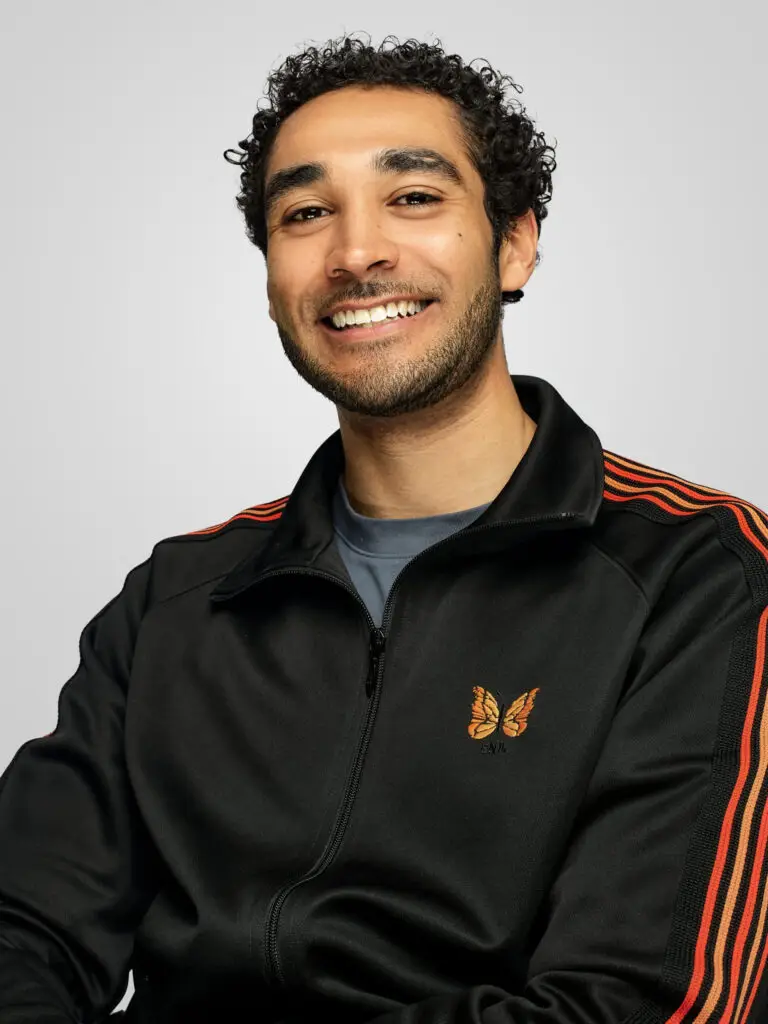
My role as a 3D Designer centres on using design to solve creative problems for brands. When presented with a brief, my first instinct is to question how the challenge can be solved through experience, and how a message, product, or campaign can become something people can step into, interact with, and remember.
I design physical spaces to showcase, sample, activate, and sell products, but more importantly to create moments of participation. At TRO, we believe people form stronger connections with brands when they’re actively involved rather than passively observing. Whether it’s touching, moving through, or contributing to an installation, participation is central to how I approach design, with the aim of making people feel part of the brand’s world, not just an audience to it.
To achieve this, I pay close attention to a brand’s tone of voice, identity, and objectives. I start by selling in the look and feel through mood boards and references, then bring concepts to life through 3D visualisations and renders. When required, I also produce Design Intent Drawings to communicate how the space should function and be built.
I’ve been at TRO for 2.5 years, working closely with clients and internal teams to deliver meaningful, participatory brand experiences.
Outside of work, I’m passionate about pushing my 3D skills further through animation and character creation. I spend a lot of time using tools like Blender to bring ideas, worlds, and characters to life, which allows me to explore new visual styles and creative techniques. This experimentation feeds directly back into my work at TRO, helping me approach projects with fresh ideas and a more imaginative mindset.
Alongside this, I’m interested in photography and video creation. Working with tools like Premiere Pro helps me refine my sense of composition, pacing, and visual storytelling, which strengthens how I present concepts and bring narratives into spatial design.
I’m also very connected to culture across fashion, art, and music. Keeping up with what’s happening in these spaces, especially through platforms like Instagram, gives me a strong sense of what feels current and relevant. That awareness helps me bring a contemporary edge to the projects I work on at TRO, ensuring the designs feel visually strong, culturally in tune, and creatively forward-thinking.
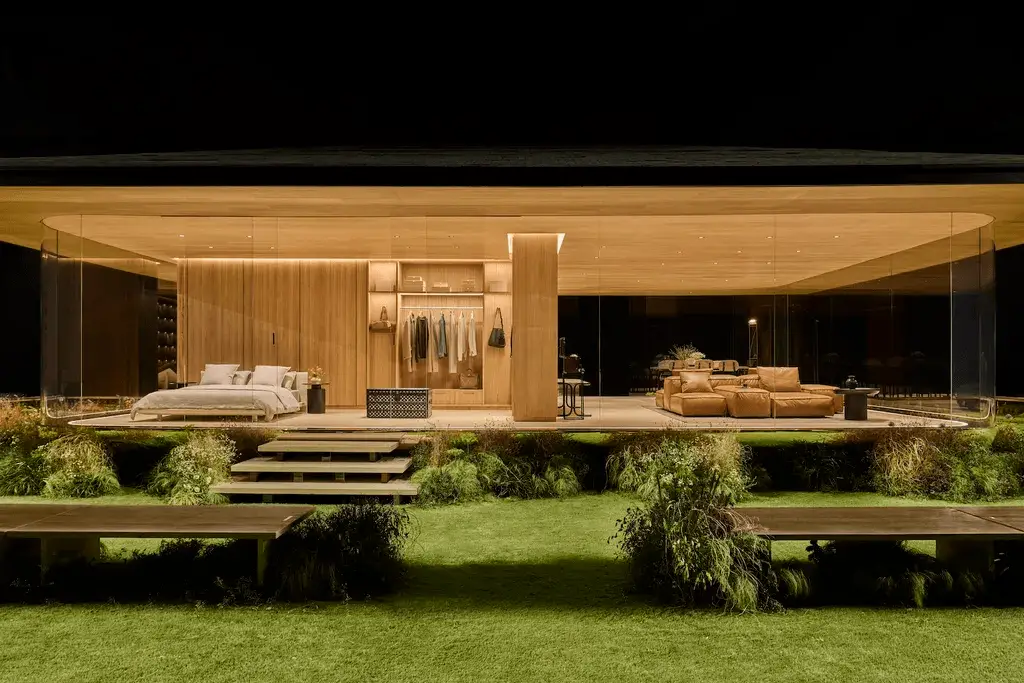
For creative inspiration, I follow a mix of design studios, creatives, and content creators who sit at the intersection of brand, space, and storytelling. Two of my favourites are Formroom Studio and Other Stuff, who are great at translating brand identity into physical environments. Their Instagram is especially inspiring, offering behind-the-scenes insights into how concepts evolve into real-world experiences.
I also really admire Mir for their visual output. Their attention to detail and ability to tell strong stories through imagery is something I constantly reference when thinking about how to present and communicate ideas.
Alongside studios, I follow YouTubers and creatives who focus on creative direction and brand strategy. Their breakdowns of brand books, campaigns, and major cultural moments like Coachella help me understand how brands build worlds, not just visuals. Keeping up with this kind of content helps me stay informed, creatively sharp, and aware of how design, culture, and storytelling are evolving.
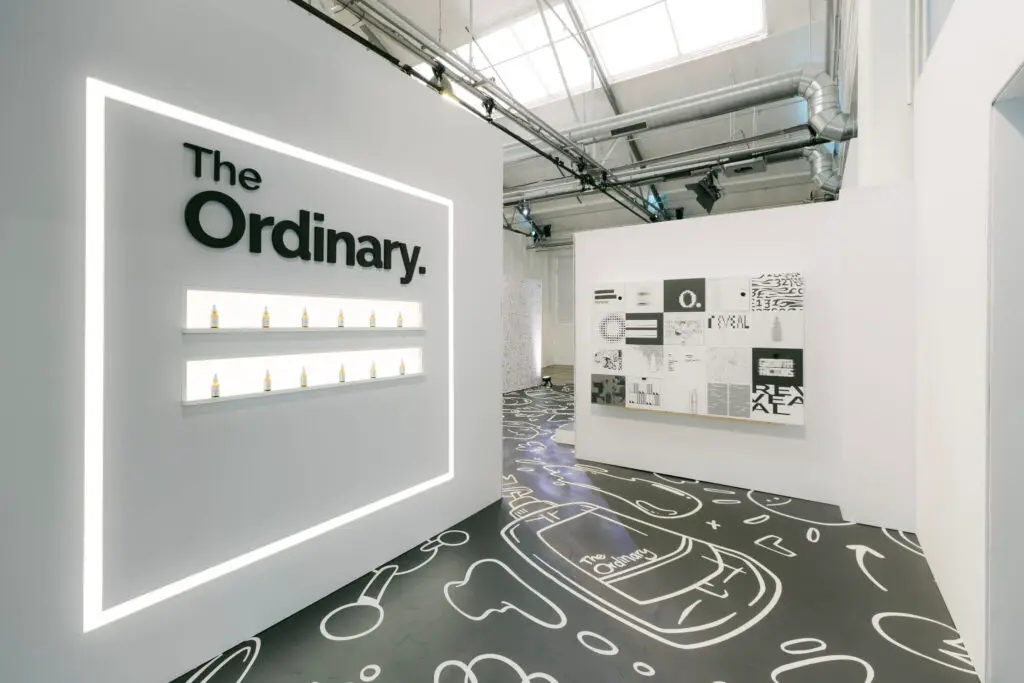
One of my favourite TRO projects was working on retail flagships and brand stores in Lisbon and Dubai. I really enjoyed the challenge of designing versatile physical spaces that not only expressed the brand’s identity but also worked in a practical, functional way. Having creative ownership over parts of the design allowed me to experiment, test ideas, and push concepts further, which made the process especially rewarding.
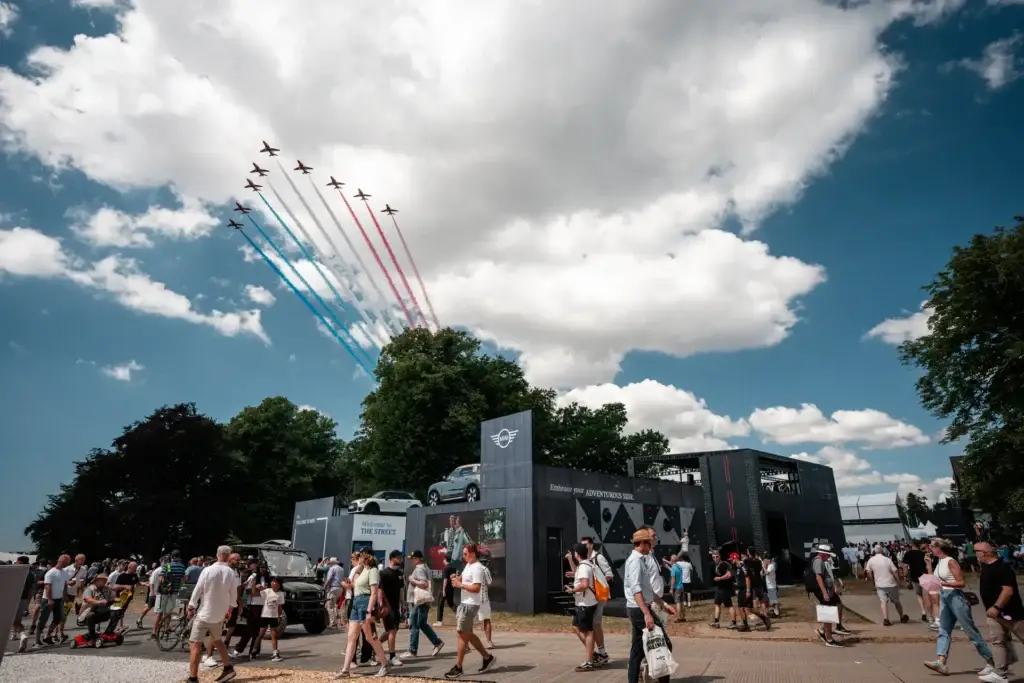
Another standout was designing the MINI stands for the Goodwood Festival of Speed. It was a great opportunity to combine my interest in cars with spatial and experiential design, creating environments that felt both engaging and on-brand. The collaborative nature of the project made it even better, working closely with the wider team helped elevate the ideas, and it was inspiring to see how different automotive brands interpreted the same event in their own creative ways.
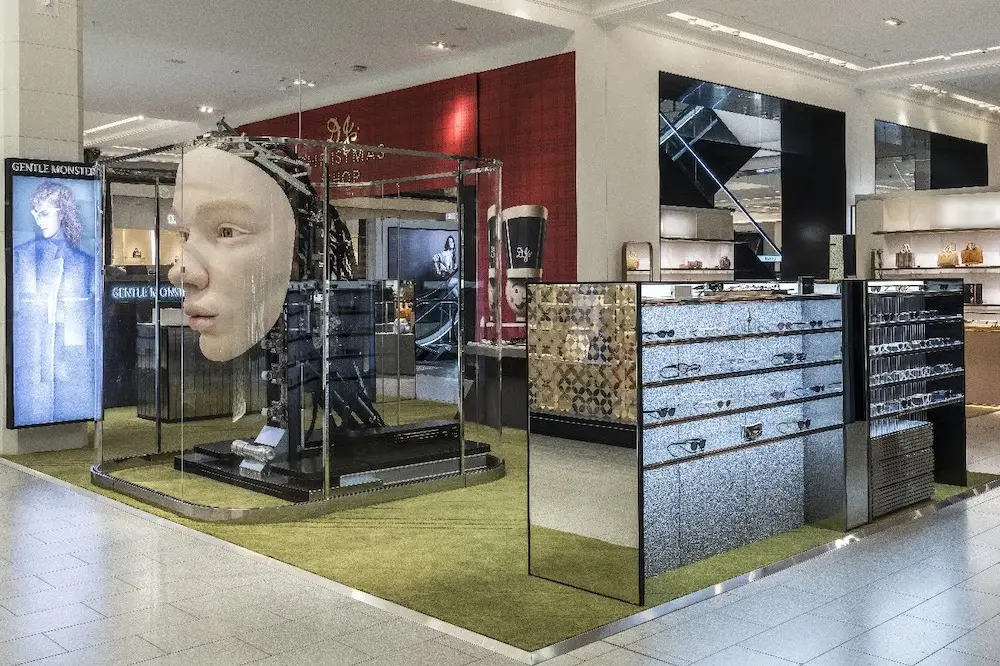
One of my dream clients is Gentle Monster. I really admire how they redefine what retail can be by merging art installations with shopping environments. Their stores don’t just exist to sell eyewear, they act as immersive, interactive art spaces that invite people to explore, engage, take photos, and share the experience. That sense of participation, where visitors become part of the space rather than just passing through it, is exactly the kind of environment we aspire to design.
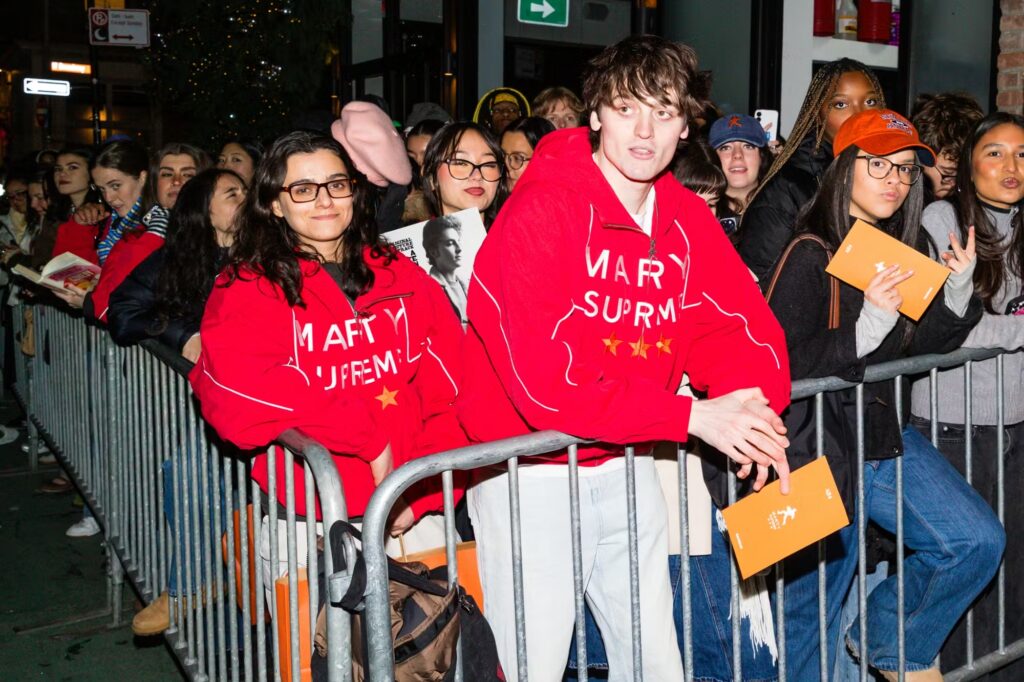
I’m also drawn to brands like Palace, Corteiz, and Supreme because of how they use collaborations to build strong, distinctive worlds around their drops. These brands don’t just release products, they create moments that people want to be part of, whether through pop-ups, events, or limited releases. That blend of street culture and high-fashion sensibilities creates a feeling of cultural involvement that feels bold, exciting, and highly shareable. Brands like Loewe and Rimowa inspire me for similar reasons. They aren’t afraid to push the boundaries of how luxury brands communicate, often using illustrators, animation, and unexpected storytelling formats. That openness to experimentation creates opportunities to design experiences where audiences don’t just observe a brand but actively engage with and interpret it in their own way.
Breaking into experiential design is about understanding that you’re not just designing how something looks, but how it feels, how it functions, and how people remember it. The heart of experiential design is creating meaningful, memorable experiences and those experiences can take almost any form.
The industry is broad, covering everything from visual design and spatial layout to creative strategy, storytelling, and operations. For example, if you’re interested in strategy, there’s huge value in understanding audiences, cultural cues, and the emotions you want to create through an experience.
One of the best things about experiential design is how flexible it is. You can test ideas, experiment with formats, and find niche audiences that genuinely connect with what you’re making. At TRO, having an in-house production team makes this even more powerful, because bespoke ideas can be built, experienced, and refined in the real world.
Finally, don’t be afraid to speak up. Experiential thrives on collaboration, debate, and bold thinking. If you believe in an idea and you understand the brand and the audience, push it forward. The strongest work usually comes from people who aren’t afraid to back their creativity and share what they’re passionate about.